Anti-Inflammatories9/5/20268 min read
Anti-Inflammatory Eating: Practical Food Choices for Daily Wellness
A Malaysian dietitian's guide to building meals that support the body's natural balance
Entering LetsGo…
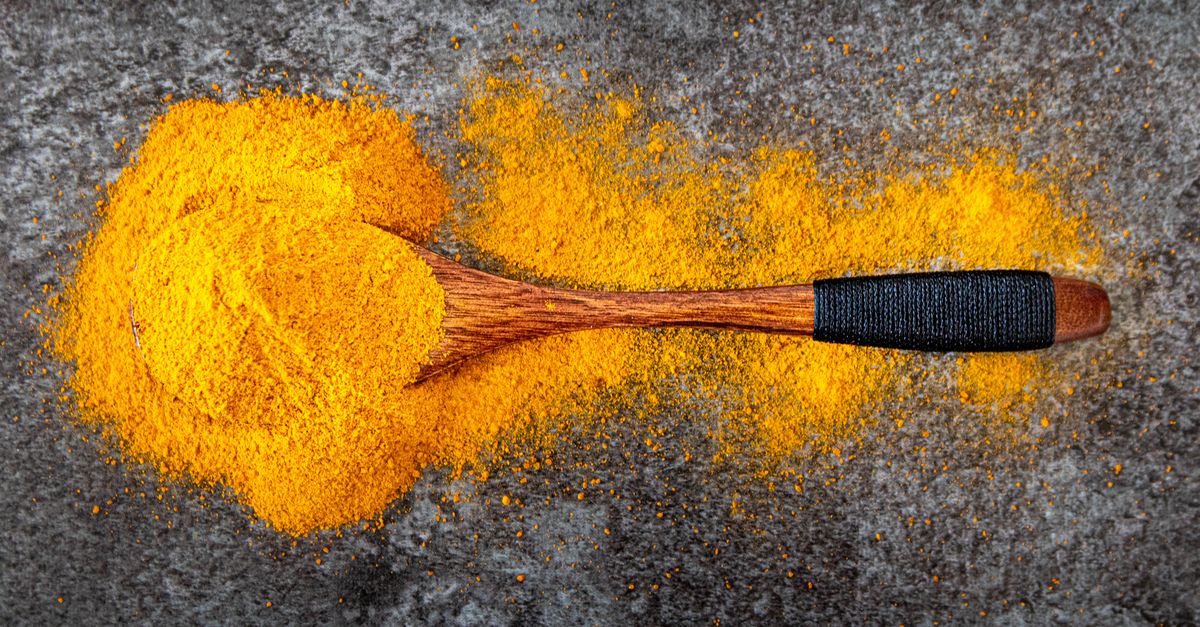
Everyday meals built around vegetables, whole grains, fish and spices offer a grounded way to explore anti-inflammatory eating without relying on pills.
Anti-inflammatory eating centers on consistent food choices rather than any single ingredient. As a Malaysian dietitian, I focus on patterns that people can maintain across busy weeks using local markets and home cooking. This approach looks at how repeated meals may influence everyday bodily processes linked to aging. Evidence comes mainly from population studies and dietary pattern research rather than isolated food trials.
Adults aged 40-65 interested in sustainable food habits for general wellness; not intended for those seeking treatment of diagnosed inflammatory conditions.
Anti-inflammatory eating describes a pattern of choosing foods that appear in studies to be associated with lower levels of certain blood markers such as CRP or IL-6. It is not a medical guide or a replacement for prescribed care. The focus stays on whole meals built from vegetables, fruits, legumes, fish, nuts and seeds rather than any isolated compound. In practice this means preparing dishes like stir-fried greens with tempeh or grilled fish with turmeric and ginger that fit Malaysian home cooking. It does not promise to cure or reverse any condition.
Many plant foods contain polyphenols and fiber that may interact with gut bacteria and cellular signaling pathways involved in inflammation regulation. Omega-3 fats from fish can influence eicosanoid production, which plays a role in resolving inflammatory responses. These mechanisms are observed in laboratory and short-term human feeding studies, yet translating them to long-term health outcomes requires more data. A concrete example is regularly including fatty fish or plant sources of omega-3 alongside colorful vegetables, which together provide a range of compounds rather than one dominant effect.
Large observational studies link Mediterranean and similar vegetable-rich patterns with modestly lower inflammatory markers and better cardiometabolic profiles. Randomized trials on specific foods show mixed or small effects on biomarkers, often limited by short duration and self-reported intake. Evidence quality is stronger for overall dietary patterns than for individual foods or nutrients. Emerging research explores connections to epigenetic aging markers, but these findings remain preliminary and require replication in diverse populations including Southeast Asian cohorts.
People without acute illness who want to adjust daily meals for general wellness may find this pattern practical. Those managing diagnosed conditions such as rheumatoid arthritis or inflammatory bowel disease should work with their physician before making changes. Individuals with food allergies, kidney concerns or on multiple medications need personalized guidance to avoid nutrient gaps or interactions. Pregnant or breastfeeding women should review any major dietary shifts with a healthcare provider.
Build most meals around non-starchy vegetables, a source of protein and a small portion of whole grains or tubers. For example, a typical day might start with oats topped with berries and nuts, lunch as a rice bowl with grilled fish, plenty of greens and herbs, and dinner featuring lentil or tempeh curry with steamed vegetables. Aim for fish or other omega-3 sources two to three times weekly and include a variety of colorful produce daily. Batch-prep simple spice blends using turmeric, ginger and garlic to flavor home-cooked dishes without extra cost.
Fresh fish and out-of-season produce can raise weekly grocery costs, while frozen options or local seasonal vegetables often provide similar benefits at lower prices. Over-reliance on expensive imported superfoods is unnecessary when common items like kangkung, papaya and local herbs deliver useful nutrients. A frequent mistake is eliminating entire food groups instead of adding more plants; another is assuming one anti-inflammatory meal offsets frequent fried or ultra-processed choices. Access improves by shopping at wet markets and planning simple repeated meals rather than elaborate recipes.
Track simple indicators such as energy levels during daily activities, sleep quality and how clothes fit over several weeks. Note changes in digestion or joint comfort in a basic journal, but avoid interpreting these as medical outcomes. If bloodwork is already scheduled for other reasons, discuss inflammatory markers with your doctor rather than ordering extra tests. Reassess meal patterns every three months and adjust based on how sustainable they feel rather than chasing specific lab numbers.
Claims that particular foods act as powerful anti-inflammatories in therapeutic amounts lack support from rigorous human trials. Questions remain about how much these dietary patterns influence actual longevity versus surrogate markers. Southeast Asian populations are underrepresented in existing studies, so cultural adaptations rely partly on clinical observation. Long-term randomized data on hard outcomes like disease incidence are still limited, and individual genetic differences likely affect responses.
Anti-inflammatory eating patterns align with other longevity-supporting habits such as consistent movement, adequate sleep and stress management. Within frameworks like BioAge assessment, nutrition forms one modifiable input among several. LetsGo.Health programs emphasize combining these elements through coaching rather than isolated changes. The approach stays practical: focus on repeatable meals that support overall metabolic health while recognizing that no dietary pattern replaces medical care or guarantees specific aging outcomes.
Most people can include a variety of vegetables, fish and whole foods alongside prescribed treatments. Always review major dietary changes with the clinician managing your medications to check for any interactions or needed adjustments in monitoring.
Some people report shifts in digestion or energy within a few weeks, while biomarker changes if measured usually require consistent patterns over months. Results vary widely and depend on overall lifestyle factors beyond food alone.
Yes, common items such as leafy greens, turmeric in curries, ginger in soups, tempeh, fish and tropical fruits appear regularly in traditional cooking and align with the described patterns. Emphasis stays on preparation methods that limit added oils and sugars.
No, the focus is flexible meal building rather than rigid rules or elimination. The goal is sustainable habits that can adapt to family meals, social occasions and local availability without requiring special products.
People with medical conditions, allergies, or on medications should consult a qualified healthcare professional before altering their diet. This content is for educational purposes and does not replace personalized medical advice.
This article provides general information on food choices and does not diagnose, treat, or cure any condition. Always seek guidance from your physician or registered dietitian for individual health needs.
Sustainable anti-inflammatory eating grows from repeated, enjoyable meals built around accessible foods rather than perfection or supplements. Small, consistent adjustments in how we shop and cook can support broader wellness goals while remaining realistic for Malaysian households. Track what works for your body and adjust with professional input when needed.
Anti-Inflammatories
From London: Amelia Hart takes anti-inflammatories off the brochure and onto a dated briefing (2026-01). Mechanism, evidence grade, who should wait, and what a four-week trial would actually include.
Anti-Inflammatories
From London: Amelia Hart takes anti-inflammatories off the brochure and onto a dated briefing (2026-01). Mechanism, evidence grade, who should wait, and what a four-week trial would actually include.
Anti-Inflammatories
From London: Amelia Hart takes anti-inflammatories off the brochure and onto a dated briefing (2026-01). Mechanism, evidence grade, who should wait, and what a four-week trial would actually include.