Anti-Inflammatories8/25/20268 min read
Anti-Inflammatory Eating: Practical Food Choices for Everyday Wellness
A grounded look at meals that support the body's natural balance without promises or extremes
LetsGo Editorial•Public LetsGo editorial
Entering LetsGo…
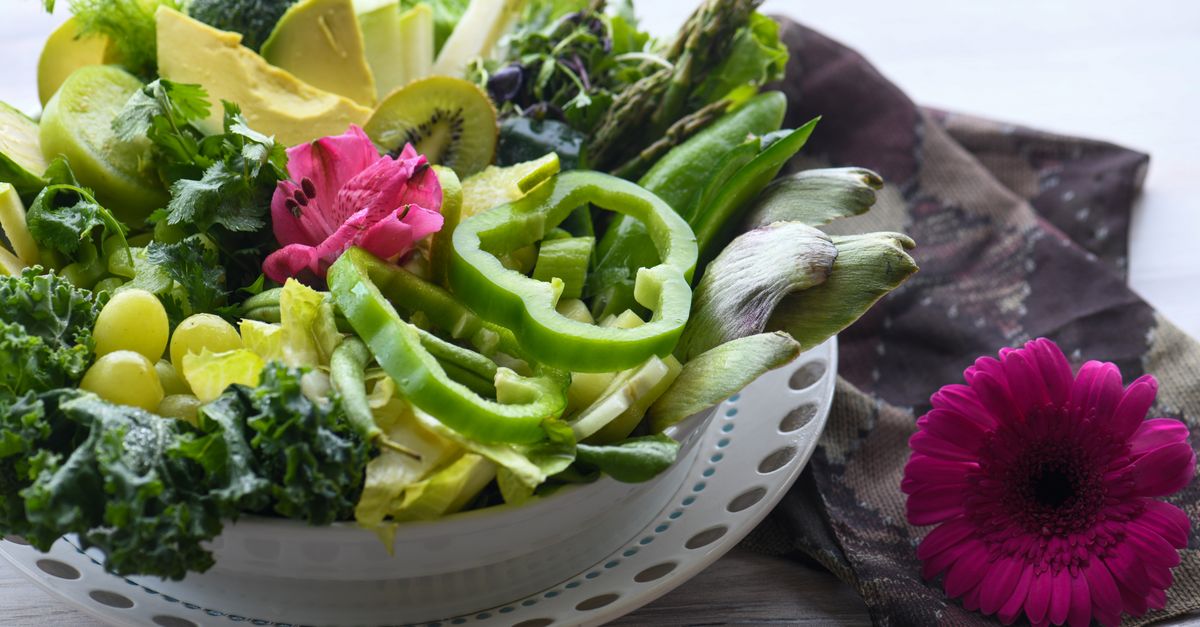
Many people search for ways to ease everyday aches or support long-term health through what they put on their plate, yet the topic of anti-inflammatory eating often mixes solid research with overstated claims.
Anti-inflammatory eating centers on consistent meal patterns rather than any single superfood. It draws from patterns observed in traditional diets rich in plants, healthy fats, and spices common in Malaysian kitchens such as turmeric in curries or ginger in soups. The goal is supporting the body's normal responses to daily stressors through food variety instead of targeting inflammation as a disease to cure. This approach aligns with longevity thinking by emphasizing repeatable habits over short-term fixes. Evidence comes mainly from observational studies and some randomized trials on dietary patterns like Mediterranean-style eating, which show associations with lower markers of chronic low-grade inflammation but do not prove causation for every individual. Results vary by overall lifestyle, genetics, and existing health conditions, so expectations should stay realistic.
Adults aged 40-65 seeking sustainable food habits to complement a longevity plan may find this useful, especially those noticing gradual shifts in energy or recovery. People with diagnosed inflammatory conditions, on medications, or managing multiple health issues should pause and consult their physician before major diet shifts, as individual responses differ and certain foods can interact with treatments.
Anti-inflammatory eating describes a pattern of choosing whole foods that provide fiber, polyphenols, and omega-3 fats while limiting ultra-processed items high in refined sugars and oils. It is not a medical guide or a guarantee against disease. In practice this means building plates around vegetables, fruits, legumes, nuts, seeds, and fish or plant proteins several times weekly. Malaysian examples include stir-fried greens with ginger, fish curry with turmeric, or oatmeal topped with berries and seeds. It differs from elimination diets or therapeutic regimens because the emphasis stays on addition and balance rather than restriction. The approach supports overall metabolic health without claiming to treat or reverse any specific condition.
Certain food compounds may influence pathways involved in inflammation such as NF-kB signaling and oxidative stress reduction. Polyphenols from colorful produce and spices can interact with gut microbiota, which in turn affects systemic signals. Omega-3 fats from fish or flax may support cell membrane balance and eicosanoid production. These mechanisms appear in cell and animal studies, with human evidence showing modest shifts in markers like CRP or IL-6 after consistent dietary changes over months. The effect size remains small compared with factors like sleep, movement, and stress management. No food directly blocks inflammation like a targeted medication would.
Large cohort studies link Mediterranean and similar plant-forward patterns to lower cardiovascular risk and some inflammatory markers, yet randomized trials on specific anti-inflammatory diets yield mixed results with high variability. Evidence quality is moderate for dietary patterns and weaker for individual foods or short-term interventions. Malaysian dietary studies remain limited, though traditional ingredients show bioactive potential in lab settings. Researchers note publication bias toward positive findings and call for longer trials in diverse populations. Current data support general healthy eating rather than specialized anti-inflammatory guides as a primary strategy.
Individuals with elevated waist circumference, sedentary habits, or family history of metabolic issues might notice supportive benefits from consistent meal upgrades. Those already following balanced diets may see smaller incremental gains. People with active autoimmune conditions, recent surgery, or nutrient absorption concerns should discuss changes with a clinician first. Pregnant individuals or those with food allergies need tailored advice to avoid deficiencies. The pattern suits most healthy adults when implemented gradually and monitored for tolerance.
Start by adding one extra serving of vegetables or fruit at two meals daily and including a source of healthy fat such as fish, nuts, or seeds three to four times per week. A sample day might feature oats with banana and almonds for breakfast, a lunch of rice with stir-fried bok choy, tofu, and turmeric, and dinner of grilled fish with salad and olive oil dressing. Rotate proteins and spices to maintain variety and cultural familiarity. Batch-prep simple curries or soups on weekends to reduce daily effort. Track adherence by noting how many days include at least five plant servings rather than aiming for perfection.
Fresh produce and fish can raise grocery costs in some regions, though frozen options and local seasonal items help control expenses. Time for meal preparation represents another trade-off versus convenience foods. Common mistakes include over-relying on one ingredient like turmeric while neglecting overall balance or expecting rapid symptom relief. Access to diverse foods varies by location, yet basic vegetables, legumes, and spices remain widely available in Malaysian markets. The pattern requires ongoing consistency rather than short bursts, which can feel limiting for those seeking quick results.
Track subjective markers such as energy levels during daily activities, sleep quality, and ease of movement over four to eight weeks. Simple home measures like waist circumference or how clothes fit provide additional feedback. If bloodwork is already part of routine care, discuss trends in CRP or lipid panels with a physician rather than ordering extra tests. Note any digestive changes or new intolerances promptly. Escalate to a clinician if symptoms worsen, new issues appear, or weight shifts unexpectedly.
A frequent myth holds that certain foods can switch off inflammation entirely, yet biology involves multiple overlapping systems not controlled by diet alone. Questions remain about optimal combinations for different genetic backgrounds and long-term adherence rates in real-world settings. Evidence for specific Malaysian spice blends in inflammation reduction stays preliminary and mostly observational. Claims of dramatic BioAge reversal through food lack robust human data. Ongoing research explores gut-immune interactions but has not produced definitive dietary prescriptions.
Anti-inflammatory eating complements movement, sleep, and stress practices within a systems approach to aging. It supports metabolic flexibility and may contribute modestly to maintaining function over decades when combined with other habits. LetsGo.Health frameworks emphasize layering small, sustainable changes rather than isolated interventions. Coaching can help personalize plate composition and track patterns alongside other BioAge indicators. The focus remains on repeatable daily choices that accumulate without requiring extreme measures.
Single ingredients provide limited impact compared with overall meal patterns. Consistent inclusion of varied plants, proteins, and fats across the week matters more than emphasizing one spice. Focus on balanced plates first.
Most people observe gradual shifts in energy or comfort after several weeks of steady habits rather than days. Individual responses depend on starting point, sleep, and activity levels. Track simple markers over a month before judging results.
Diet changes can interact with certain treatments, so discuss plans with your physician before starting. Food-first approaches generally support rather than replace medical care. Regular check-ins help ensure safety.
Frozen vegetables, canned legumes, and affordable local spices still deliver useful nutrients. Prioritize what is accessible and rotate options to maintain variety. Small consistent additions outperform occasional expensive purchases.
Individuals with medical conditions, allergies, or on medications should consult a qualified healthcare professional before making dietary changes. This content does not replace personalized medical advice.
This article provides educational information on food choices and does not diagnose, treat, or cure any condition. Evidence quality varies and individual results differ.
Sustainable anti-inflammatory eating builds from repeated meal decisions using accessible foods rather than dramatic overhauls. When paired with other longevity habits it contributes to a practical foundation for the years ahead. Start with one or two adjustments this week and adjust based on how your body responds.
Anti-Inflammatories
From London: Amelia Hart takes anti-inflammatories off the brochure and onto a dated briefing (2026-01). Mechanism, evidence grade, who should wait, and what a four-week trial would actually include.
Anti-Inflammatories
From London: Amelia Hart takes anti-inflammatories off the brochure and onto a dated briefing (2026-01). Mechanism, evidence grade, who should wait, and what a four-week trial would actually include.
Anti-Inflammatories
From London: Amelia Hart takes anti-inflammatories off the brochure and onto a dated briefing (2026-01). Mechanism, evidence grade, who should wait, and what a four-week trial would actually include.