Antioxidants8/28/20268 min read
Antioxidants in Everyday Foods: What the Evidence Shows for Healthy Aging
A food-first look at how plant compounds interact with cellular processes over decades
LetsGo Editorial•Public LetsGo editorial
Entering LetsGo…
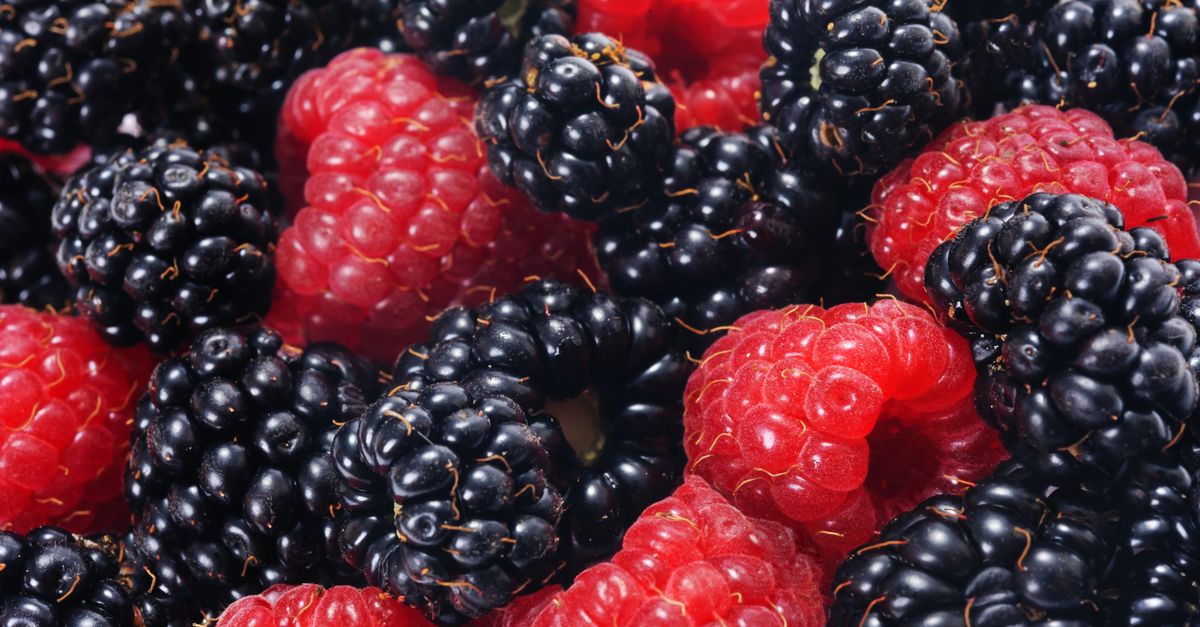
Most people encounter antioxidants through colorful produce rather than isolated compounds, and the biological story is more nuanced than simple free-radical scavenging.
Oxidative stress arises when reactive oxygen species produced during mitochondrial respiration and immune activity exceed the body’s antioxidant capacity. Dietary antioxidants from plants contribute to the endogenous defense network that includes glutathione, superoxide dismutase, and catalase. Population studies consistently associate higher intakes of antioxidant-rich foods with slower biological aging markers, yet randomized trials of single compounds have often disappointed. This article examines mechanisms, evidence quality, and practical weekly implementation without promising reversal of aging or treatment of disease.
Adults aged 40-65 seeking to optimize daily food choices for long-term cellular maintenance, particularly those already tracking protein intake, micronutrient density, and meal timing within a broader longevity framework such as LetsGo.Health programs.
Antioxidants are molecules that donate electrons to stabilize reactive oxygen species, limiting chain reactions that damage lipids, proteins, and DNA. In food they appear as polyphenols, carotenoids, vitamin C, and vitamin E within complex matrices of fiber and other phytochemicals. They are not magic bullets that erase prior damage or replace medical care. The term covers hundreds of compounds whose bioavailability varies widely by food source, preparation, and individual gut microbiota. Claims that any single antioxidant reverses aging lack support from human lifespan data.
During normal respiration, mitochondria leak electrons that form superoxide; enzymatic systems and dietary antioxidants convert these to water. Polyphenols also modulate Nrf2 signaling, upregulating endogenous antioxidant enzymes rather than acting solely as direct scavengers. Chronic low-grade inflammation amplifies oxidative stress, so the same foods often reduce both pathways. Absorption occurs mainly in the small intestine, with colonic metabolites contributing additional signaling effects. Individual genetic variation in antioxidant enzyme activity influences how much benefit any given person derives from dietary patterns.
Large prospective cohorts such as the Nurses’ Health Study and EPIC report lower all-cause mortality and cardiovascular incidence among participants in the highest quintile of dietary antioxidant capacity measured by FRAP or ORAC assays. These associations weaken after adjustment for overall diet quality and physical activity. Short-term human trials demonstrate improved endothelial function and reduced LDL oxidation after increased berry or nut intake, yet hard endpoint data remain limited. No large randomized trial has shown that raising antioxidant intake alone extends lifespan or prevents frailty. Evidence is therefore strongest for whole-diet patterns and weakest for isolated nutrient effects.
Individuals with low fruit and vegetable intake, high processed-food consumption, or elevated oxidative stress markers from smoking or obesity may notice the largest relative shift when they increase plant diversity. Those already consuming abundant produce see diminishing returns. People on warfarin or certain chemotherapy regimens should discuss vitamin K and polyphenol interactions with their clinician before major dietary changes. Anyone experiencing unexplained fatigue or gastrointestinal symptoms after increasing fiber should pause and seek medical evaluation rather than assume an antioxidant deficit.
Aim for at least five different colors of produce daily, rotating berries, leafy greens, cruciferous vegetables, tomatoes, and citrus. Include a handful of nuts or seeds at breakfast or as a snack; their vitamin E and polyphenols complement water-soluble compounds from fruit. Prepare meals by roasting or lightly steaming rather than deep-frying to preserve heat-labile antioxidants. One concrete example: oatmeal topped with blueberries and walnuts for breakfast, a lentil salad with peppers and olive oil for lunch, and salmon with broccoli and sweet potato for dinner supplies a broad antioxidant spectrum within standard calorie and protein targets. Track adherence by counting distinct plant types rather than grams of any nutrient.
Frozen berries retain most antioxidant activity at lower cost and longer shelf life than fresh imports. Out-of-season produce shipped long distances may lose some labile compounds, yet still exceeds zero intake. Over-reliance on exotic superfoods creates unnecessary expense and ignores that common items like onions, tea, and apples contribute meaningfully. A frequent mistake is assuming more is always better; very high intakes of certain polyphenols can inhibit iron absorption or interact with medications. Cost-effective strategies include buying seasonal, using frozen, and growing herbs on a windowsill.
Track simple inputs: number of plant servings per day and weekly variety score. Note subjective energy, recovery from exercise, and digestive comfort over four to six weeks. If working with LetsGo.Health coaching, periodic BioAge assessments or standard blood panels (lipids, hs-CRP, fasting glucose) can provide indirect signals, but these are not antioxidant-specific. Escalate to a clinician if new symptoms appear or if dietary changes coincide with medication adjustments. Avoid routine plasma antioxidant assays outside research settings, as they fluctuate daily and lack validated clinical thresholds.
The notion that antioxidant supplements can compensate for poor lifestyle choices is not supported by trial data. Whether specific polyphenol metabolites directly influence epigenetic aging clocks remains an active research area with mostly preclinical findings. Long-term adherence to high-antioxidant diets is hard to isolate from other healthy behaviors in observational work. Questions about optimal combinations, timing relative to exercise, and effects in genetically distinct subgroups lack definitive answers. Current guidance therefore rests on consistent food patterns rather than precise molecular targets.
Antioxidant-rich foods complement adequate protein intake, resistance training, sleep, and stress management within a systems approach to aging. They address one upstream driver—oxidative stress—while protein supports muscle and micronutrients support multiple pathways. In LetsGo.Health programs this element integrates into personalized meal planning rather than standing alone. When evidence is limited, the prudent stance is to improve the overall dietary pattern and monitor objective health markers with a clinician rather than chase isolated compounds.
Routine clinical testing of antioxidant status is not recommended for healthy adults because levels fluctuate with recent meals and lack standardized reference ranges tied to outcomes. Focus instead on consistent food intake and standard metabolic labs.
Some compounds like vitamin C are heat-sensitive, yet others such as lycopene become more bioavailable after cooking tomatoes. A mix of raw and cooked vegetables across the week balances preservation and enhancement without requiring perfection.
Differences exist but are modest and vary by crop and soil; the larger benefit comes from eating more produce regardless of farming method. Budget and access should guide choices rather than assuming organic status guarantees superior longevity effects.
Subjective shifts in energy or digestion can appear within weeks of sustained dietary improvement, while measurable shifts in inflammatory markers or vascular function typically require months of consistent patterns in studies.
Major dietary changes should be discussed with a physician, especially when medications or existing medical conditions are present. This content does not replace individualized medical advice.
This article provides educational information on food sources of antioxidants and does not prescribe supplements, diagnose conditions, or claim to cure or reverse aging. Always consult a qualified healthcare provider for personal health decisions.
Consistent inclusion of diverse plant foods supplies antioxidants within a matrix that supports multiple aging-related pathways. The strongest evidence favors sustainable dietary patterns over any single compound or supplement. Track simple behaviors, monitor standard health markers, and adjust with clinical guidance as part of a comprehensive longevity approach.
Antioxidants
Antioxidants from whole foods such as berries, leafy greens, and nuts may help counter oxidative stress linked to aging, though human evidence shows modest and context-specific effects rather than dramatic longevity gains.
Antioxidants
Antioxidants are compounds found in many plant foods that can help neutralize reactive molecules produced during normal metabolism; current evidence from dietary patterns shows modest associations with better health markers but does not support guarantees of extended lifespan or disease prevention.
Antioxidants
Antioxidants from whole foods may help counter oxidative stress linked to aging processes, with evidence pointing to benefits from consistent dietary patterns rather than isolated compounds.