Red Light Sauna: Building Recovery Into Sustainable Daily Routines
A Practical Look at Combining Heat and Light for Wellness
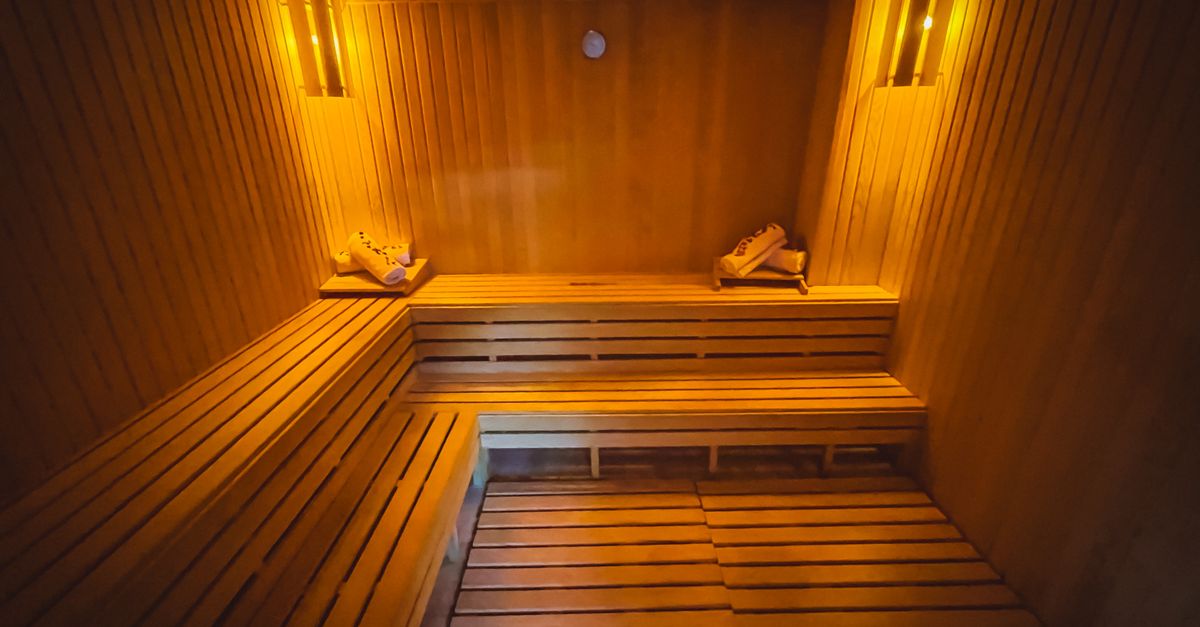
Recovery practices that blend established elements like heat exposure with emerging light applications can fit into structured lifestyle plans.
Red light saunas represent an intersection of traditional sauna use and targeted light exposure. While interest grows in these combined approaches for daily routines, evidence remains varied and individuals should approach with measured expectations based on personal responses.
In this article
- Understanding Red Light Sauna Basics
- Common Questions on Session Frequency
- Environmental and Routine Considerations
- Evidence Context and Limitations
Understanding Red Light Sauna Basics
A red light sauna typically involves exposure to infrared heat alongside red or near-infrared light wavelengths. This setup aims to create an environment that supports relaxation and perceived recovery, though individual experiences differ widely.
Common Questions on Session Frequency
People often wonder about optimal timing and duration. Starting conservatively with shorter sessions allows monitoring of personal tolerance and integration into existing schedules without disruption.
More on Red Light Sauna
Red Light Sauna
Red Light Sauna Integration for Sustainable Wellness Routines
Exploring how combining red light elements with sauna sessions can fit into balanced daily routines for better recovery and energy management in modern lifestyles.
Red Light Sauna
Red Light Sauna for Recovery and Long-Term Fitness Consistency
Red light saunas merge infrared heat with photobiomodulation to potentially support post-exercise recovery and mobility maintenance, with emerging but limited human data on longevity markers.
Red Light Sauna
Red Light Sauna Routines for Recovery and Energy Management
Red light saunas pair targeted light wavelengths with heat exposure, creating a recovery option that some adults incorporate into routines focused on energy balance and travel demands.