Red Light Sauna Routines for Recovery Support
Practical Integration of Heat and Light in Wellness Planning
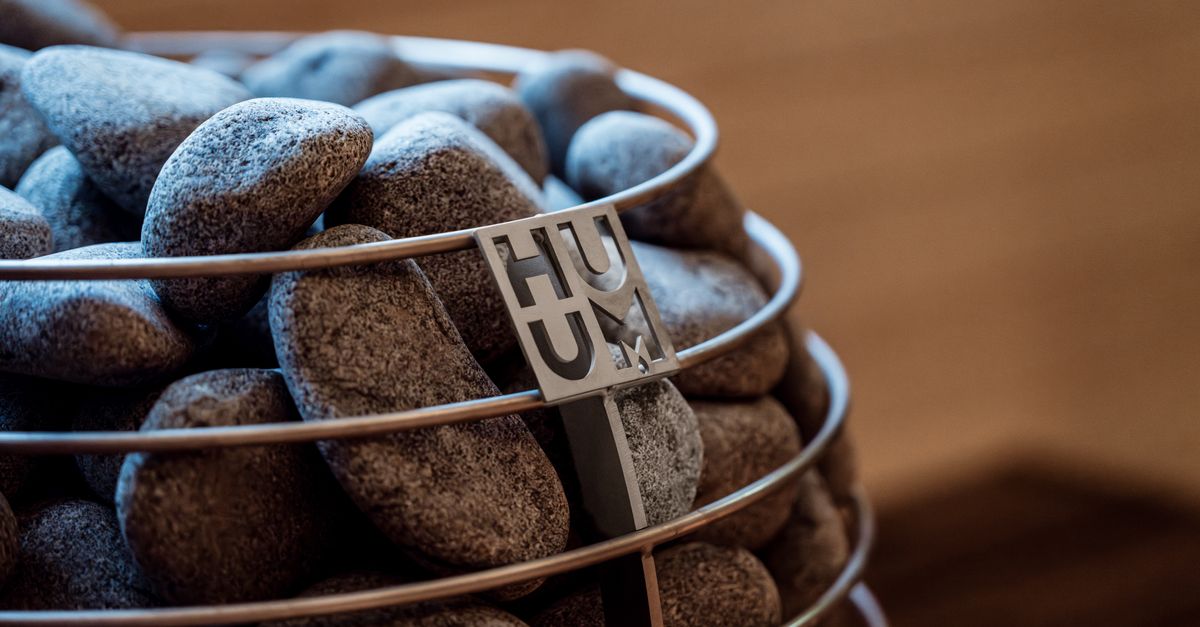
Red light saunas provide a structured environment where heat and light may complement existing recovery habits for those balancing demanding schedules.
Red light saunas blend traditional sauna heat with red and near-infrared light, creating an environment that some incorporate into lifestyle routines aimed at supporting relaxation and energy balance. This editorial focuses on routine design and environmental factors rather than guaranteed results.
In this article
- What defines a red light sauna experience?
- How might it align with recovery trends?
- What routine considerations apply for travel?
- Which monitoring steps help assess personal response?
What defines a red light sauna experience?
These setups typically feature infrared heating elements alongside red and near-infrared light panels. Sessions expose users to both warmth and specific light wavelengths, with effects influenced by duration, frequency, and individual tolerance.
How might it align with recovery trends?
The approach sits within sauna-adjacent recovery practices common in hospitality wellness settings. Users often report temporary relaxation, though supporting human evidence is limited and largely observational rather than conclusive.
More on Red Light Sauna
Red Light Sauna
Red Light Sauna Integration for Sustainable Wellness Routines
Exploring how combining red light elements with sauna sessions can fit into balanced daily routines for better recovery and energy management in modern lifestyles.
Red Light Sauna
Red Light Sauna for Recovery and Long-Term Fitness Consistency
Red light saunas merge infrared heat with photobiomodulation to potentially support post-exercise recovery and mobility maintenance, with emerging but limited human data on longevity markers.
Red Light Sauna
Red Light Sauna Routines for Recovery and Energy Management
Red light saunas pair targeted light wavelengths with heat exposure, creating a recovery option that some adults incorporate into routines focused on energy balance and travel demands.