Anti-Inflammatories8/29/20268 min read
Understanding Anti-Inflammatory Lifestyles and Foods
Practical ways to support healthy ageing through daily habits
LetsGo Editorial•Public LetsGo editorial
Entering LetsGo…
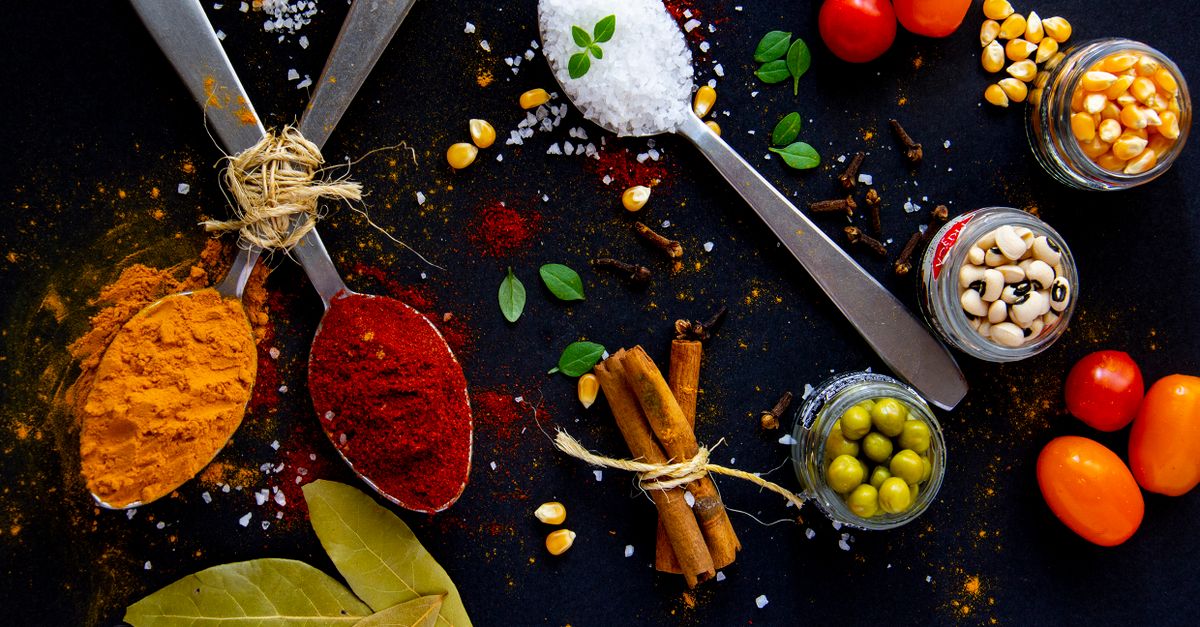
Many people notice that steady daily choices around food, movement and rest can influence how the body handles everyday wear and tear over the years.
Anti-inflammatory approaches focus on lifestyle patterns rather than quick fixes. They centre on consistent habits that may help the body manage low-grade inflammation linked to ageing processes. This article explores what these patterns involve, the mechanisms at play, and how they can be woven into ordinary weeks without extreme changes. Evidence ranges from established observations on diet quality to emerging work on sleep and stress recovery. Readers are encouraged to view this as general education rather than personalised advice.
Adults aged 40-65 who are interested in steady habit changes around food, sleep and stress, and who want to understand the evidence without expecting guaranteed outcomes.
An anti-inflammatory lifestyle refers to patterns of eating, moving, sleeping and managing stress that may modestly influence inflammatory pathways over time. It is not a medical treatment or a way to reverse diagnosed conditions. The focus stays on supportive habits such as including more colourful vegetables, maintaining regular sleep windows and practising simple breathing routines. It differs from short-term diets or supplement regimens because the emphasis lies on repeatable behaviours rather than single interventions. People sometimes confuse it with elimination diets or strict guides, yet the core idea remains gradual integration into existing routines.
Inflammation serves as a protective response, yet when it lingers at low levels it can contribute to tissue changes associated with ageing. Foods containing polyphenols and omega-3 fats may support resolution pathways involving molecules such as resolvins. Sleep supports clearance of metabolic by-products through glymphatic activity during deep stages. Stress balance influences cortisol rhythms that in turn affect immune cell behaviour. These mechanisms interact, so improving one area often supports others without requiring perfect adherence.
Observational studies link Mediterranean-style eating patterns with lower circulating inflammatory markers, though causation remains harder to prove. Randomised trials on sleep extension show modest reductions in some cytokines, yet results vary by population and duration. Stress-reduction practices such as mindfulness demonstrate small effects on CRP in meta-analyses, with stronger signals in people starting from higher stress levels. Evidence quality is moderate for dietary patterns and weaker for isolated habits, with many studies relying on self-reported data. Uncertainty remains around long-term outcomes in healthy mid-life adults.
People experiencing fatigue, joint stiffness or poor recovery that coincides with irregular routines may notice gradual improvements from consistent habits. Those already managing chronic conditions should consult clinicians before major changes. Individuals with eating disorders or very low body weight may need to avoid restrictive interpretations of anti-inflammatory eating. Pregnant or recently post-operative people should prioritise medical guidance over general wellness suggestions. The approach suits those who prefer incremental adjustments rather than dramatic overhauls.
Begin by anchoring sleep to a consistent window of seven to eight hours, adjusting bedtime by fifteen minutes every few days until stable. Add one extra serving of vegetables at two meals daily and include oily fish twice weekly where tolerated. Schedule short movement breaks, such as a ten-minute walk after lunch, and practise a five-minute breathing exercise before bed. Track adherence with a simple tick list rather than apps to keep friction low. Review the week on Sunday and adjust only one element at a time to avoid overload.
Higher-quality produce can increase weekly food costs, though seasonal UK vegetables and tinned fish offer lower-price alternatives. Time spent on meal preparation competes with other demands, so batch cooking on weekends reduces daily effort. A common mistake is attempting too many changes simultaneously, which often leads to quick abandonment. Another is expecting rapid shifts in energy or biomarkers within days rather than months. Access remains straightforward for most through supermarkets, yet rural areas may face limited fresh fish options.
Keep a brief daily note of sleep quality, energy at 3 pm and any joint comfort on a one-to-ten scale. Observe trends over four to six weeks rather than daily fluctuations. Simple waist measurement and resting heart rate taken weekly can provide additional context without lab costs. If symptoms worsen or new issues appear, escalate to a GP rather than interpreting personal data in isolation. Avoid frequent private blood panels unless advised, as single readings rarely capture meaningful change.
One myth suggests that avoiding all nightshade vegetables will dramatically lower inflammation for everyone, yet population data does not support universal restriction. Another assumes turmeric supplements alone can replace broader dietary patterns, despite limited human evidence at dietary amounts. Questions remain about optimal combinations of habits for different genetic profiles and how long benefits persist after routines lapse. Evidence on specific anti-inflammatory diets in healthy longevity cohorts is still emerging and often confounded by overall lifestyle quality.
Anti-inflammatory habits complement sleep routines and stress-balance practices already central to LetsGo.Health frameworks. They support recovery capacity that in turn aids consistent movement and social engagement. Within a BioAge-style assessment they represent modifiable inputs rather than direct age-reversal tools. Integration works best when viewed as one layer alongside strength training, social connection and regular clinical check-ups. The emphasis stays on sustainable systems that accumulate small advantages over years.
Short-term dietary shifts can influence some blood markers within weeks in research settings, yet individual results differ and sustained change usually requires ongoing habits rather than brief trials. Population studies show stronger associations with long-term patterns.
Most evidence supports adding beneficial foods rather than strict elimination for general wellness. Personal tolerances vary, so working with a professional helps identify genuine triggers without unnecessary restriction.
Disrupted sleep can raise inflammatory signalling through changes in cortisol and immune cell activity. Consistent sleep windows often form a practical starting point that supports other habits.
Routine testing is not required for lifestyle adjustments in healthy adults. Discuss with a clinician if symptoms persist or if there is family history that warrants monitoring.
These suggestions are for general education only. Anyone with existing medical conditions, on medication or experiencing new symptoms should consult a qualified healthcare professional before making changes.
This content does not constitute medical advice, diagnosis or treatment. It is not intended to cure, treat or prevent any disease. Individual results vary and professional guidance is recommended for personal health decisions.
Building anti-inflammatory habits through steady food choices, sleep consistency and stress balance offers a practical route for many adults to support recovery and daily function. Progress comes from small, repeatable actions tracked over weeks rather than dramatic resets. When combined with regular clinical oversight and broader longevity practices, these patterns can form part of a realistic long-term approach.
Anti-Inflammatories
From London: Amelia Hart takes anti-inflammatories off the brochure and onto a dated briefing (2026-01). Mechanism, evidence grade, who should wait, and what a four-week trial would actually include.
Anti-Inflammatories
From London: Amelia Hart takes anti-inflammatories off the brochure and onto a dated briefing (2026-01). Mechanism, evidence grade, who should wait, and what a four-week trial would actually include.
Anti-Inflammatories
From London: Amelia Hart takes anti-inflammatories off the brochure and onto a dated briefing (2026-01). Mechanism, evidence grade, who should wait, and what a four-week trial would actually include.