Anti-Inflammatories8/22/202610 min read
Understanding Anti-Inflammatory Lifestyles and Foods for Everyday Wellness
Practical ways to support your body's natural balance through daily habits and choices
LetsGo Editorial
Entering LetsGo…
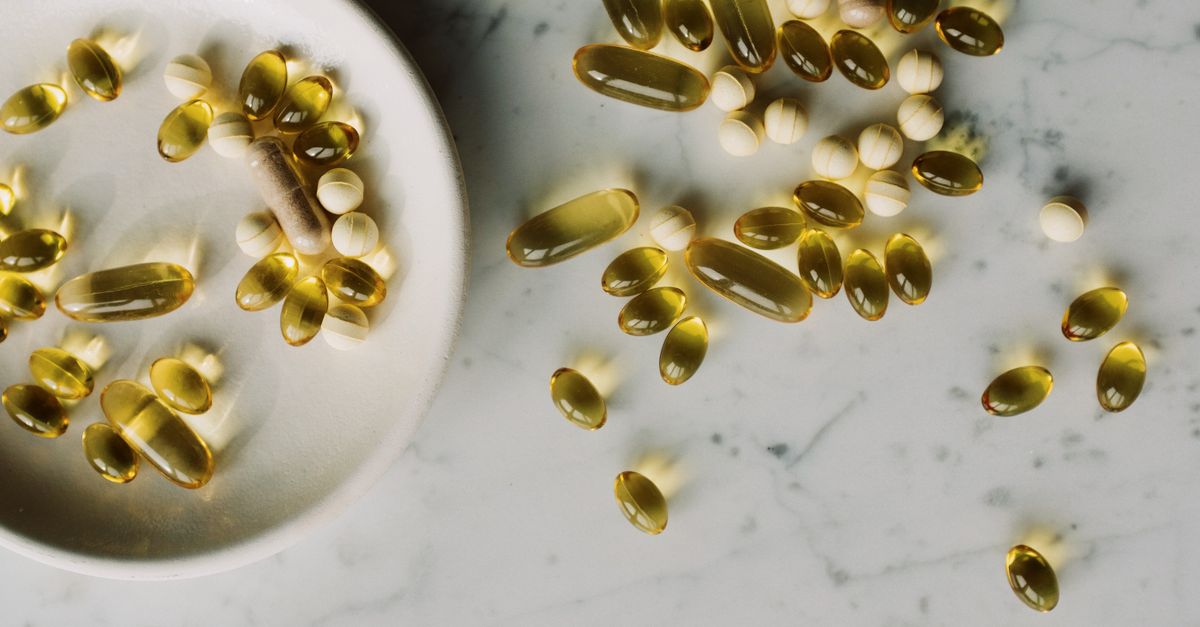
Many people notice that small, consistent changes in how they rest, move and eat can feel steadier than chasing single solutions.
Inflammation is a normal part of the body's repair system, yet when it stays active over months or years it may link with how we age. This article looks at lifestyle patterns that some research connects with supporting a calmer internal environment. We focus on habits around sleep, recovery and daily routines because these areas often show measurable effects within weeks. The aim is to give clear, usable information without promising reversal of any condition. Evidence ranges from well-established observations in population studies to emerging areas that still need more human trials. Readers are encouraged to track their own responses and speak with a clinician if symptoms persist.
This content suits adults aged 40-65 who already practise basic healthy routines and want to refine them further. It may be less suitable for anyone currently managing an acute illness or taking prescription medication that affects immune response; those individuals should consult their doctor first before making changes.
An anti-inflammatory approach here means choosing daily patterns that research sometimes associates with lower levels of certain blood markers such as CRP or IL-6. It centres on sleep timing, stress recovery, movement and meal composition rather than any single product or supplement. The focus stays on supporting the body's existing regulation systems instead of attempting to switch them off. This is not a treatment plan, a cure for any disease, or a replacement for medical care. It does not claim to diagnose inflammation or guarantee changes in lab results for every person. Results vary widely depending on genetics, existing health conditions and consistency of habits.
Inflammation involves immune cells releasing signalling molecules that help repair tissue after injury or infection. When these signals remain elevated without clear cause, they can contribute to ongoing wear on blood vessels and joints. Sleep supports clearance of some inflammatory by-products through the glymphatic system, while poor sleep timing can raise cortisol and keep certain pathways active. Regular movement encourages muscle release of myokines that may counterbalance pro-inflammatory signals. Food choices influence gut barrier function and the production of short-chain fatty acids that interact with immune cells. These mechanisms are interconnected, so changing one area often affects others over several weeks.
Large observational studies link Mediterranean-style eating patterns with modestly lower inflammatory markers, yet randomised trials show smaller and more variable effects once calorie intake is controlled. Sleep extension experiments in adults with short sleep duration demonstrate reductions in CRP within four to six weeks, though longer-term data remain limited. Stress-reduction programmes such as mindfulness-based approaches produce small average drops in IL-6 in meta-analyses, with stronger responses in people who had higher starting point stress scores. Evidence for individual foods is weaker and often relies on in-vitro or animal data that do not always translate to free-living humans. Overall the strongest data support combined lifestyle patterns rather than isolated interventions.
Adults who report poor sleep consistency, high perceived stress or irregular meal patterns often notice steadier energy and recovery when they adjust these areas first. People with a family history of cardiovascular concerns may find the monitoring suggestions useful for tracking trends over months. Those already following structured exercise or nutrition programmes can layer in sleep and stress elements without major disruption. Individuals with diagnosed autoimmune conditions, recent surgery or current infections should pause and speak with their clinician before altering routines. Anyone on medications that influence inflammation or blood clotting needs professional guidance to avoid unintended interactions.
Begin by setting a consistent bedtime window within a 30-minute range on at least five nights per week and track actual sleep time with a simple wearable or diary. Add two 20-minute walks after meals on weekdays to support both movement and post-meal glucose stability. Include one additional serving of oily fish or a plant omega-3 source on three days and note how energy feels the following morning. Schedule a 10-minute breathing or light stretching period in the early evening to mark the transition from work to rest. Review the week each Sunday by noting sleep average, number of walks completed and any changes in morning stiffness or mood. Adjust only one element at a time if progress stalls, and keep changes sustainable for at least eight weeks before evaluating further.
Prioritising earlier bedtimes may reduce evening social time, which some people value highly; the trade-off requires deciding which activities matter most for long-term wellbeing. Access to fresh vegetables or fish can vary by location and season, so frozen or tinned options often provide similar nutrient profiles at lower cost. Common mistakes include attempting too many changes simultaneously, which frequently leads to lower adherence within two weeks. Another frequent error is expecting lab results to shift dramatically within a month; most human studies show modest, gradual movement. Over-reliance on expensive supplements instead of food patterns adds cost without clear additional benefit in the majority of trials. Tracking only weight or appearance rather than functional markers such as sleep quality or recovery speed misses the intended signals.
Use a simple weekly log of sleep hours, number of walks, and a 1-10 rating for morning energy and joint comfort. These subjective scores often move before any blood marker changes and require no extra cost. If a clinician already recommends periodic CRP or HbA1c tests, compare results at the same time of year and under similar conditions to reduce noise. Wearable devices can supply resting heart rate trends and sleep stage estimates, yet these remain indirect and should not replace professional interpretation. Escalate to a doctor if new persistent pain, unexplained fatigue or swelling appears, or if self-ratings decline steadily over four weeks despite consistent habits.
A common myth is that any single superfood can meaningfully lower inflammation on its own; population data point to overall dietary patterns instead. Another misconception holds that complete elimination of certain foods is necessary; moderate inclusion within a balanced plate shows similar associations in most studies. Questions remain about how much individual genetic variation affects response to the same lifestyle changes, and longer trials are still needed. Evidence for specific timing of meals or exact exercise types remains thinner than the broader categories of sleep and stress reduction. Clinical observation suggests some people respond more noticeably to stress management than to dietary shifts, yet this pattern lacks large confirmatory trials.
Anti-inflammatory lifestyle elements sit alongside other LetsGo.Health pillars such as BioAge tracking and structured coaching programmes. They support recovery capacity, which in turn can improve consistency with strength training or metabolic monitoring. When combined with regular clinician check-ins, these habits form part of a systems approach rather than a standalone solution. The emphasis stays on sustainable weekly patterns that accumulate over years, aligning with the platform's focus on measurable, realistic progress for adults in midlife. Integration works best when sleep and stress adjustments precede more intensive nutrition or exercise experiments.
Most people report shifts in energy or morning comfort within three to six weeks when sleep timing and evening wind-down routines are the main adjustments. Blood marker changes, when they occur, often appear later and remain modest in published studies. Individual responses vary, so keeping a simple weekly log helps identify personal patterns without waiting for tests.
Yes, occasional inclusion of favourite foods within an overall pattern of vegetables, protein and steady sleep does not appear to undo benefits in observational data. The key is frequency and context rather than perfection. Rigid elimination often reduces long-term adherence, which matters more for sustained outcomes.
Current evidence does not identify one universally superior timing for everyone. Some small trials suggest aligning meals with daylight hours and finishing eating two to three hours before bed may support sleep quality. Walking after the largest meal of the day shows repeatable effects on glucose response, yet these findings need replication in larger groups.
Review the full week for possible contributors such as caffeine timing, light exposure in the evening or unresolved stress. If ratings remain low after four consistent weeks, discuss the data with a GP or sleep specialist to rule out other factors. Wearables provide trends but are not diagnostic tools.
These suggestions are for general wellness education only. They do not replace personalised medical advice. Anyone with ongoing symptoms, diagnosed conditions or current medication should consult a qualified clinician before changing routines.
This article provides educational information about lifestyle patterns sometimes discussed in longevity contexts. It does not diagnose, treat or cure any disease and makes no guarantees about individual results. Always seek professional medical guidance for health concerns.
Steady attention to sleep timing, stress recovery and balanced meals offers a practical route for many adults to support their body's natural regulation. Progress comes from consistent small actions tracked over weeks rather than dramatic overhauls. When combined with professional oversight, these habits can form a reliable part of a longer-term approach to feeling well as we age.
Anti-Inflammatories
From London: Amelia Hart takes anti-inflammatories off the brochure and onto a dated briefing (2026-01). Mechanism, evidence grade, who should wait, and what a four-week trial would actually include.
Anti-Inflammatories
From London: Amelia Hart takes anti-inflammatories off the brochure and onto a dated briefing (2026-01). Mechanism, evidence grade, who should wait, and what a four-week trial would actually include.
Anti-Inflammatories
From London: Amelia Hart takes anti-inflammatories off the brochure and onto a dated briefing (2026-01). Mechanism, evidence grade, who should wait, and what a four-week trial would actually include.