Understanding BioAge and Healthy Aging Markers
How Biological Age Insights Support Sustainable Functional Fitness
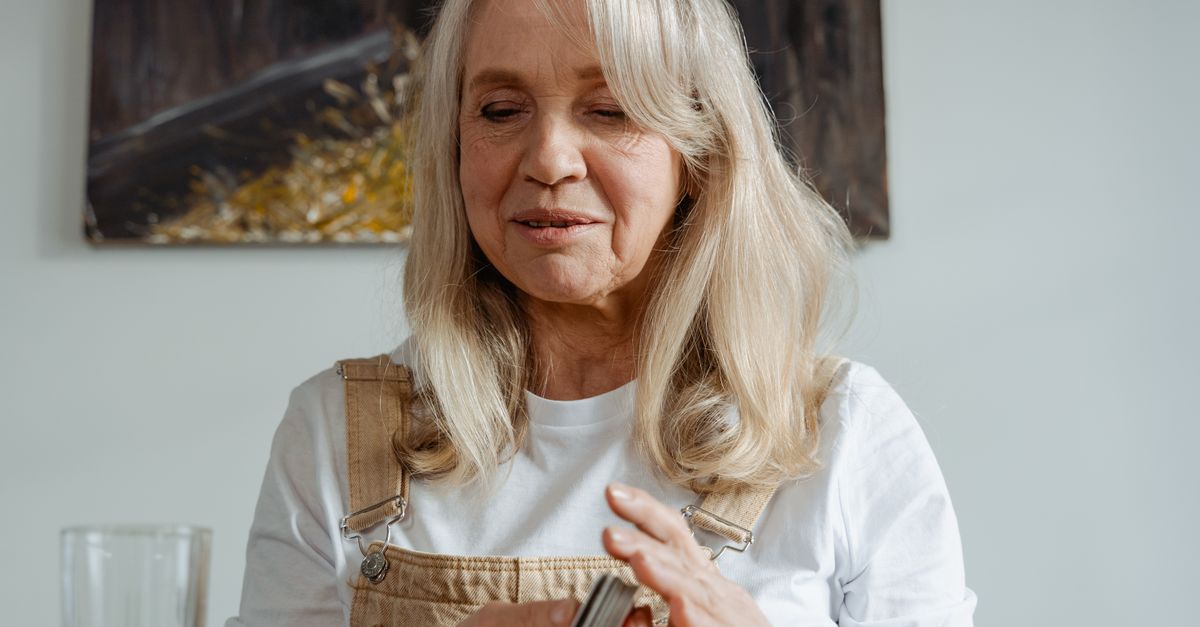
Your calendar age is fixed, yet BioAge can shift with consistent, sustainable choices in movement and recovery.
Biological age, referred to as BioAge on platforms like LetsGo.Health, estimates how your physiological systems are performing relative to population norms for your chronological years. This systems-level view draws on established markers rather than hype, helping high-agency adults focus on what can be influenced through gradual training.
In this article
- What Distinguishes BioAge from Chronological Age?
- Which Markers Commonly Inform BioAge Calculations?
- How Might Strength and Cardio Training Affect BioAge Trends?
- When Should Someone Seek Clinical Input on BioAge Results?
What Distinguishes BioAge from Chronological Age?
Chronological age counts years lived while BioAge integrates functional and biomarker data to estimate biological wear. Evidence from cohort studies shows divergence is common, with lifestyle factors like consistent strength work and aerobic capacity linked to slower divergence in observational data, though individual genetics and measurement variability introduce uncertainty.
More on Bioage
Bioage
After the drip or the retreat: bioage follow-up once you leave London
From London: Amelia Hart takes bioage off the brochure and onto a dated briefing (2026-09). Mechanism, evidence grade, who should wait, and what a four-week trial would actually include.
Bioage
After the drip or the retreat: bioage follow-up once you leave London
From London: Amelia Hart takes bioage off the brochure and onto a dated briefing (2026-09). Mechanism, evidence grade, who should wait, and what a four-week trial would actually include.
Bioage
After the drip or the retreat: bioage follow-up once you leave London
From London: Amelia Hart takes bioage off the brochure and onto a dated briefing (2026-09). Mechanism, evidence grade, who should wait, and what a four-week trial would actually include.