Understanding Biological Age and Healthy Ageing Markers
Practical Insights into BioAge for Everyday Life
Many adults in their forties and beyond ask how daily routines might relate to the pace at which the body ages.
Biological age, sometimes called BioAge on platforms like LetsGo.Health, compares how your cells and systems are functioning against your chronological years. While chronological age is fixed, biological age can shift with habits. Evidence from population studies links consistent sleep, stress management and movement patterns with markers such as inflammation levels and metabolic flexibility, though individual results vary and research continues.
In this article
- What is biological age and how is it measured?
- Which healthy ageing markers matter most?
- How can sleep and stress routines influence these markers?
- What daily habits support healthy ageing over time?
What is biological age and how is it measured?
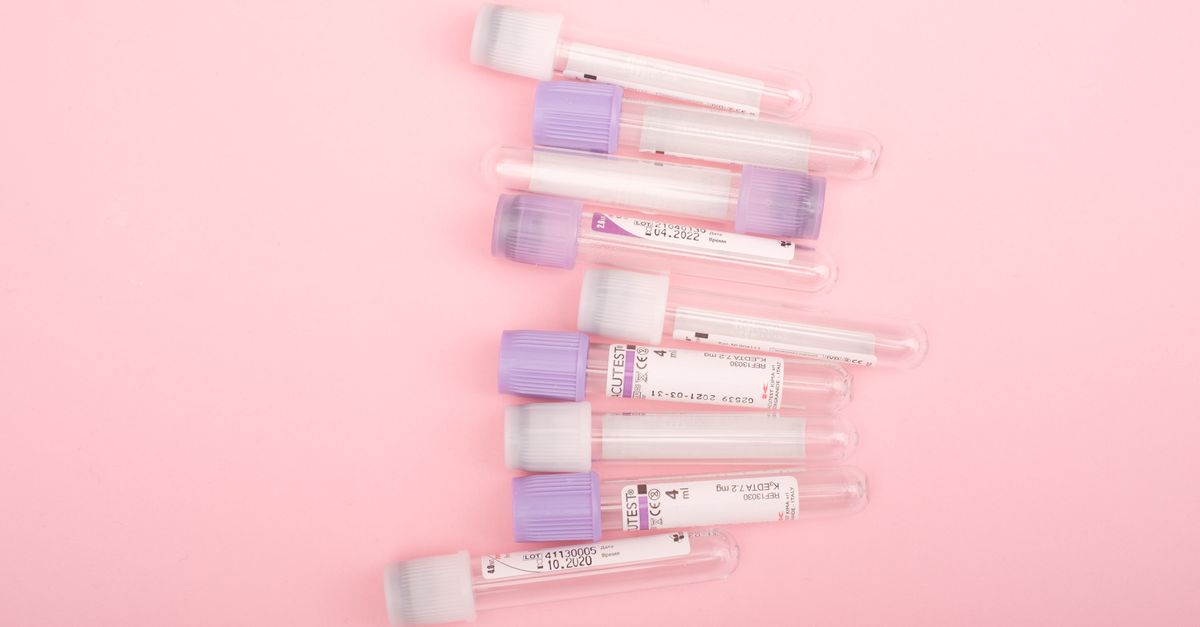
Biological age estimates how your body is ageing by looking at markers such as epigenetic changes, telomere length or blood-based indicators like CRP and HbA1c. These differ from the simple count of birthdays. Studies show wide variation between people of the same age, yet the tools used to calculate BioAge are still developing and not yet standardised across clinics.
More on Bioage
Bioage
After the drip or the retreat: bioage follow-up once you leave London
From London: Amelia Hart takes bioage off the brochure and onto a dated briefing (2026-09). Mechanism, evidence grade, who should wait, and what a four-week trial would actually include.
Bioage
After the drip or the retreat: bioage follow-up once you leave London
From London: Amelia Hart takes bioage off the brochure and onto a dated briefing (2026-09). Mechanism, evidence grade, who should wait, and what a four-week trial would actually include.
Bioage
After the drip or the retreat: bioage follow-up once you leave London
From London: Amelia Hart takes bioage off the brochure and onto a dated briefing (2026-09). Mechanism, evidence grade, who should wait, and what a four-week trial would actually include.