Understanding Biological Age and Healthy Aging Markers
Evidence-Based Insights for Sustainable Longevity
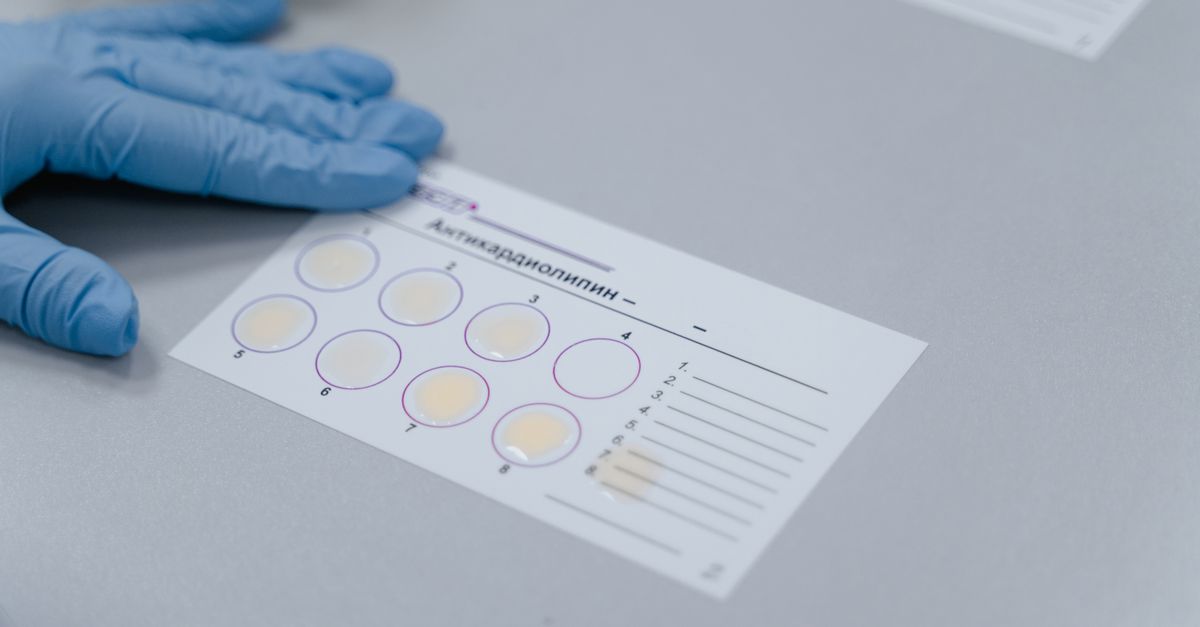
Your chronological age tells only part of the story; biological age offers a deeper look at how your body is truly functioning over time.
Biological age, often referred to as BioAge in longevity discussions, provides insight into the rate at which your physiological systems are aging. Unlike the number of years since birth, it considers factors such as cardiovascular health, muscle function, and cellular repair mechanisms. Understanding this distinction helps in adopting habits that promote active aging without unnecessary risks.
In this article
- How Is Biological Age Measured?
- What Are Common Markers of Healthy Aging?
- How Does Functional Movement Influence BioAge?
- When Should You Consult a Professional About Aging Markers?
How Is Biological Age Measured?
Biological age estimates draw from biomarkers including epigenetic clocks, inflammation levels, and physical performance metrics like VO2 max and grip strength. These tools remain evolving with ongoing research, so results should be interpreted alongside clinical assessments rather than as definitive predictors.
What Are Common Markers of Healthy Aging?
More on Bioage
Bioage
After the drip or the retreat: bioage follow-up once you leave London
From London: Amelia Hart takes bioage off the brochure and onto a dated briefing (2026-09). Mechanism, evidence grade, who should wait, and what a four-week trial would actually include.
Bioage
After the drip or the retreat: bioage follow-up once you leave London
From London: Amelia Hart takes bioage off the brochure and onto a dated briefing (2026-09). Mechanism, evidence grade, who should wait, and what a four-week trial would actually include.
Bioage
After the drip or the retreat: bioage follow-up once you leave London
From London: Amelia Hart takes bioage off the brochure and onto a dated briefing (2026-09). Mechanism, evidence grade, who should wait, and what a four-week trial would actually include.