Breathwork Practices for Nervous System Regulation and Healthy Aging
Exploring Respiratory Techniques in Longevity Contexts
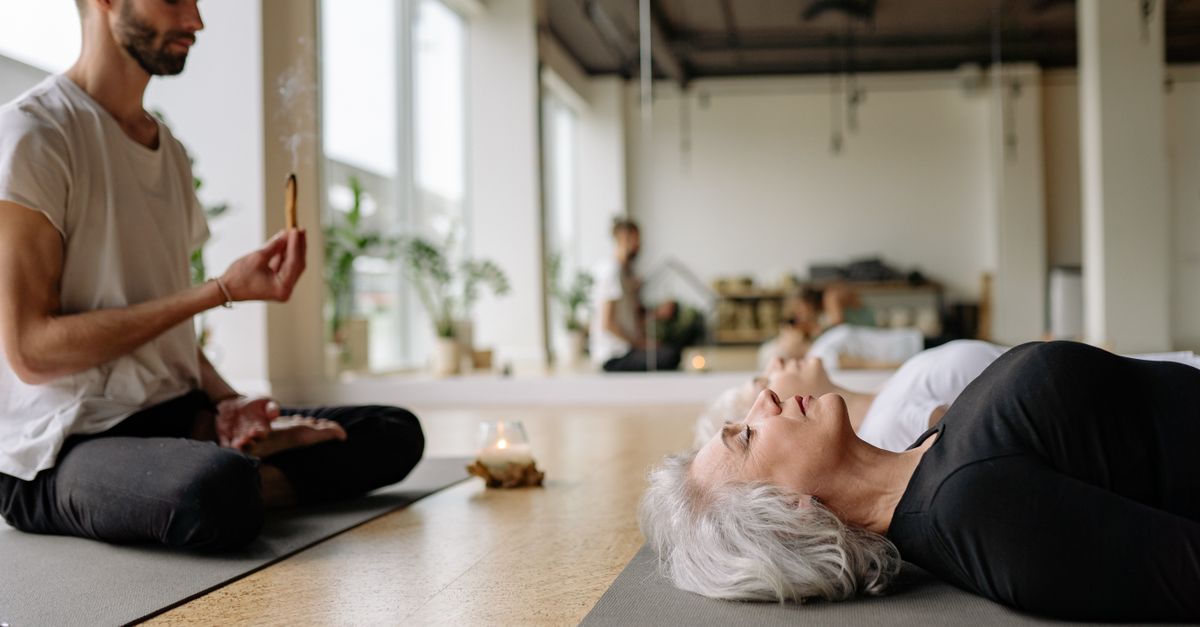
Simple breathing practices can intersect with autonomic regulation in ways that merit thoughtful exploration for long-term wellness.
Breathwork refers to structured breathing exercises that engage the respiratory system and may affect parasympathetic and sympathetic balance. This article examines established physiological concepts linking respiration to nervous system function and sleep architecture, emphasizing education over claims.
In this article
- How Breathing Patterns Influence Autonomic Nervous System Activity
- Breathwork Considerations in Relation to Sleep Architecture
- Heart Rate Variability as a Marker in Respiratory Practices
- Practical Integration of Breathwork for Daily Wellness
How Breathing Patterns Influence Autonomic Nervous System Activity
Respiratory rate and depth can modulate vagal tone, which is part of the parasympathetic branch of the autonomic nervous system. Slower breathing often correlates with increased heart rate variability in observational studies, though individual responses vary and mechanisms continue to be researched.
More on Breathwork
Breathwork
Breathwork after the Abu Dhabi brochure: a 2026-02 briefing
From Abu Dhabi: Dr. Priya Sharma takes breathwork off the brochure and onto a dated briefing (2026-02). Mechanism, evidence grade, who should wait, and what a four-week trial would actually include.
Breathwork
Breathwork after the Abu Dhabi brochure: a 2026-02 briefing
From Abu Dhabi: Dr. Priya Sharma takes breathwork off the brochure and onto a dated briefing (2026-02). Mechanism, evidence grade, who should wait, and what a four-week trial would actually include.
Breathwork
Breathwork after the Abu Dhabi brochure: a 2026-02 briefing
From Abu Dhabi: Dr. Priya Sharma takes breathwork off the brochure and onto a dated briefing (2026-02). Mechanism, evidence grade, who should wait, and what a four-week trial would actually include.