Breathwork8/30/20269 min read
Breathwork Practices for Nervous System Regulation and Respiratory Wellness
Understanding mechanisms, evidence, and realistic integration for healthy aging
Entering LetsGo…
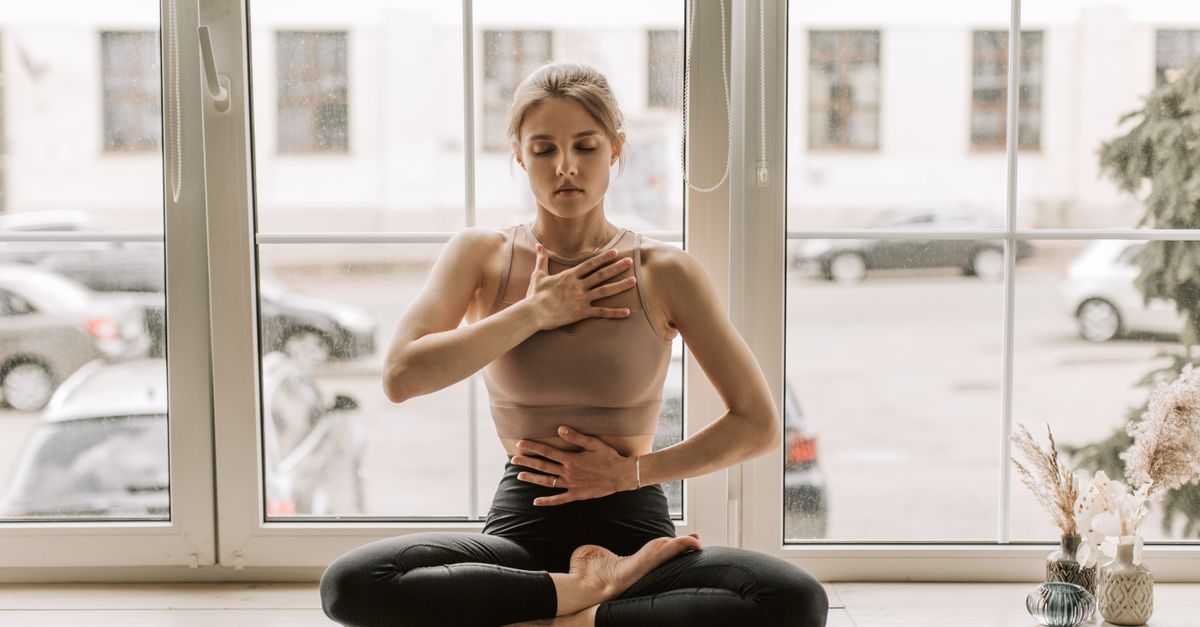
Intentional breathing patterns can influence the balance between sympathetic and parasympathetic activity, offering one accessible entry point into autonomic regulation.
Breathwork refers to structured breathing exercises practiced with awareness, distinct from automatic respiration. These techniques aim to modulate respiratory rate, depth, and rhythm to engage physiological pathways linked to the vagus nerve and baroreflex sensitivity. In the context of longevity, interest centers on whether repeated practice can support recovery processes and daytime resilience without replacing foundational behaviors such as consistent sleep timing and physical activity. Evidence remains heterogeneous, and individual responses vary with age, starting point fitness, and concurrent health conditions. This article examines mechanisms, summarizes available data without overstatement, and outlines practical considerations for adults aged 40-65 exploring these methods within a broader longevity framework.
Adults seeking educational information on breath practices for general wellness and autonomic awareness may find this content relevant. Individuals with uncontrolled respiratory conditions, recent surgery, or diagnosed sleep disorders should consult a clinician before beginning any new breathing routine.
Breathwork consists of deliberate modifications to inhalation, exhalation, and breath holds performed in seated, supine, or standing positions. Common examples include diaphragmatic breathing, coherent breathing at approximately six cycles per minute, and simple ratio-based patterns such as equal-length inhale and exhale. These are not medical interventions, nor do they constitute therapy for clinical conditions. They function as voluntary exercises that temporarily shift respiratory and cardiovascular parameters. Practitioners should distinguish breathwork from passive observation of natural breathing or from medical respiratory therapy delivered under supervision. The practice does not replace sleep, nutrition, or movement, and claims that position it as a standalone solution for aging-related decline exceed current evidence.
Slower breathing rates near resonance frequency can increase vagal tone and baroreflex gain, leading to measurable rises in heart rate variability during and shortly after sessions. This occurs through mechanical effects on intrathoracic pressure and chemoreceptor feedback that favor parasympathetic dominance. Over repeated exposures, some individuals report reduced perceived stress reactivity, though the durability of these changes depends on frequency and integration with daily routines. Respiratory muscle engagement also influences posture and core stability, which may indirectly affect sleep positioning comfort. These mechanisms remain subject to individual physiological variation and do not guarantee uniform outcomes across populations.
Small randomized trials have documented acute HRV increases with paced breathing at 5-7 breaths per minute, yet effect sizes differ and many studies lack long-term follow-up. Observational data link regular practice to improved self-reported calm, but confounding factors such as concurrent relaxation or expectation effects are difficult to isolate. Research on direct impacts to sleep continuity or architecture is sparse and generally shows no clinically meaningful change beyond what improved pre-sleep routines already provide. Evidence for longevity-specific endpoints such as reduced biological age markers or extended healthspan is absent. Systematic reviews consistently note methodological limitations including small samples and short durations.
Healthy adults interested in exploring low-cost, equipment-free methods for momentary autonomic modulation may incorporate breathwork as one element of a recovery-oriented routine. Those already engaged in consistent sleep hygiene and physical activity may notice additive subjective benefits during high-stress periods. Individuals with asthma, COPD, uncontrolled hypertension, or recent abdominal or thoracic surgery should seek medical clearance first. Pregnant individuals and those with dizziness or fainting history require caution and professional guidance. Breathwork is not indicated as a substitute for evaluation of suspected sleep-disordered breathing.
A practical starting point involves 10-15 minutes of coherent breathing at roughly six breaths per minute, performed seated with eyes closed, three to four non-consecutive days per week. Sessions can be scheduled in the late afternoon or early evening to avoid interference with morning alertness. Beginners may begin with shorter five-minute blocks and gradually extend duration while monitoring for lightheadedness. Integration with existing movement practices, such as after a walk, can improve adherence. Progression might include adding a brief exhale-focused practice before bedtime on two evenings, always keeping total added time modest to prevent displacement of sleep or exercise.
Breathwork requires time and sustained attention, which can compete with other recovery activities if over-prioritized. Access is high because no specialized equipment is needed, though guided audio or apps introduce minor recurring costs. Common errors include forcing breath volume beyond comfort, neglecting posture, and expecting rapid or dramatic physiological shifts. Overly complex patterns can increase frustration and reduce consistency. Trade-offs also include the absence of direct outcome tracking compared with objective sleep metrics from validated devices. Individuals should weigh these factors against simpler alternatives such as consistent wind-down lighting and temperature control.
Subjective markers such as perceived ease of returning to starting point after minor stressors or improved ability to maintain focus during seated practice provide useful feedback. Wearable HRV readings taken under standardized morning conditions can offer directional trends, though day-to-day variability limits precision. Tracking session frequency and duration in a simple log helps identify adherence patterns. If no noticeable change in daytime calm or evening settling occurs after four to six weeks of consistent practice, reassessment of technique or overall routine is warranted. Persistent sleep complaints warrant clinical evaluation rather than intensified self-experimentation.
A frequent misconception holds that breathwork can recalibrate sleep architecture in ways comparable to established sleep interventions; data do not support this equivalence. Another claim suggests universal HRV elevation regardless of age or health status, yet starting point autonomic function strongly influences responsiveness. Unanswered questions include optimal dosing for sustained effects, interactions with common medications, and whether benefits differ meaningfully between various breathing ratios. Evidence for long-term adherence and downstream health outcomes remains thin, with most studies limited to weeks or months. These gaps should temper expectations and encourage integration rather than reliance on any single practice.
Within a physician-led longevity approach such as those outlined at LetsGo.Health, breathwork serves as a low-friction adjunct for autonomic awareness rather than a primary lever. It aligns with emphasis on BioAge-influencing behaviors when used to support consistent sleep timing and stress recovery without displacing higher-impact domains like resistance training or social connection. Programs that combine education with coaching can help individuals test personal response while maintaining realistic expectations. When incorporated thoughtfully, the practice may contribute to overall resilience, yet it remains one modest component among many evidence-supported habits. Ongoing clinical oversight ensures alignment with individual health trajectories.
Start with five to ten minutes and increase only if the practice remains comfortable and does not produce dizziness or tension. Consistency across several shorter sessions often proves more sustainable than infrequent longer ones.
No. Breathwork does not substitute for adequate sleep duration, resistance training, or nutrition. It may complement these foundations when used as a brief daily or near-daily practice.
Late afternoon or early evening sessions align well with natural wind-down physiology for many adults. Morning practice is also feasible provided it does not interfere with alertness or scheduled movement.
Revisit technique, posture, and total weekly time. If subjective or objective markers remain unchanged, consider whether other lifestyle factors require attention first and consult a clinician for persistent concerns.
Stop any session immediately if dizziness, chest pain, or significant discomfort arises. Breathwork is not appropriate for self-management of diagnosed medical conditions.
This content is for educational purposes only and does not constitute medical advice, diagnosis, or treatment. Always consult a qualified healthcare professional for personal health concerns, including sleep or respiratory issues.
Breathwork offers a low-barrier method for exploring autonomic regulation that may complement other longevity-supporting behaviors when practiced consistently and realistically. Evidence supports modest acute physiological shifts in some individuals, while long-term outcome data remain limited. Adults who approach the practice with measured expectations and integrate it within a broader plan that includes sleep, movement, and clinical oversight are best positioned to evaluate personal benefit. Ongoing attention to technique, adherence, and overall health context helps maintain safety and relevance across the lifespan.
Breathwork
From Abu Dhabi: Dr. Priya Sharma takes breathwork off the brochure and onto a dated briefing (2026-02). Mechanism, evidence grade, who should wait, and what a four-week trial would actually include.
Breathwork
From Abu Dhabi: Dr. Priya Sharma takes breathwork off the brochure and onto a dated briefing (2026-02). Mechanism, evidence grade, who should wait, and what a four-week trial would actually include.
Breathwork
From Abu Dhabi: Dr. Priya Sharma takes breathwork off the brochure and onto a dated briefing (2026-02). Mechanism, evidence grade, who should wait, and what a four-week trial would actually include.